
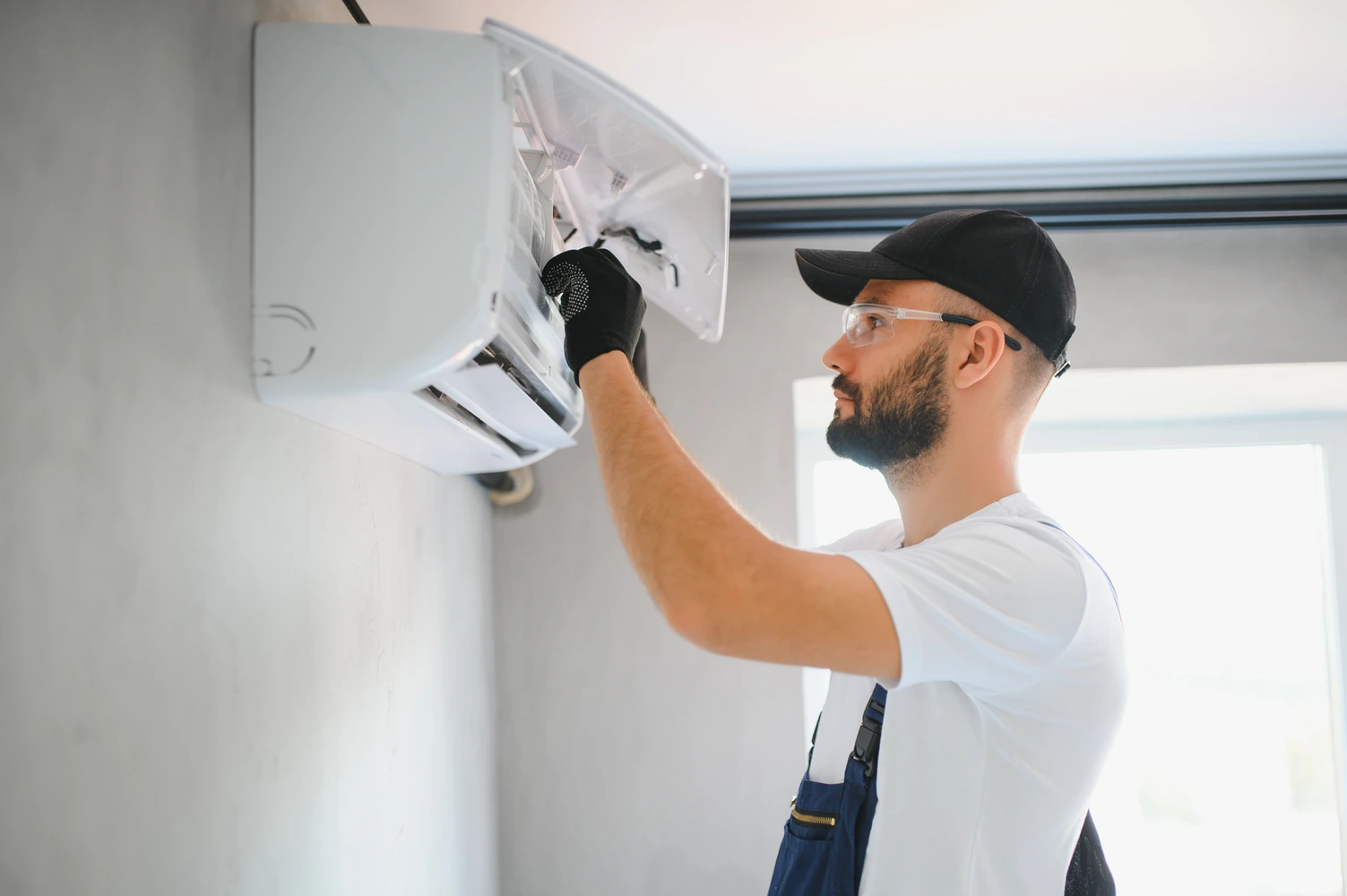
Installing a cooling system is more than a simple home upgrade; it’s a process that requires careful planning, technical accuracy, and strict adherence to regulations. When it comes to split system installation, homeowners in Epping must consider the legal, electrical, and environmental requirements that shape how these systems are safely set up. A compliant installation not only ensures reliable performance but also helps protect your property from unnecessary risks.
Australia’s regulatory landscape sets out clear standards for electrical work, refrigerant handling, drainage, and energy efficiency. Understanding these standards gives you a clearer sense of what to expect from the installation process. It also highlights the importance of working with licensed professionals who can navigate these rules with precision.
Throughout this guide, you’ll explore the key practices, safety considerations, and compliance requirements relevant to effective split system installation in Epping. Each section is designed to offer practical, up-to-date information to help you make informed decisions about your home’s cooling system.
Licensing Requirements for Split System Installation in Epping
Installing or replacing a split-system air conditioner in Epping is strictly regulated to ensure safety. In Victoria, the Victorian Building Authority (VBA) mandates that any AC installer must be a registered plumbing practitioner with a Refrigerant Handling Licence. On top of that, all electrical work must be done by a licensed electrician, either an A-Grade electrician or a Registered Electrical Contractor (REC) registered with Energy Safe Victoria.
- A VBA-registered plumber with an ARC refrigerant licence must install the refrigerant pipes and drain.
- A qualified electrician (A-grade or REC) must handle all new electrical wiring, circuits, and isolators.
- Both practitioners should carry appropriate insurance and give you compliance certificates.
It’s also worth noting that installation often requires specific certifications at the end. In Victoria, for instance, your installer must provide an Energy Safe Victoria Certificate of Electrical Safety (COES) and a VBA Plumbing Compliance Certificate once the job is done. These certificates prove that all electrical wiring and refrigerant work comply with regulations. Only a properly licensed installer can issue them, and they also help protect your unit’s warranty. Before work begins, ask your installer to confirm they will supply these official documents. That way, you know the job is being done legally and your investment is protected.
Electrical Safety Standards for Split System Installation
Electrical safety is a cornerstone of compliant split system installation. All wiring work must adhere to the Australian/New Zealand Wiring Rules (AS/NZS 3000) and local electrical regulations. This includes connecting the indoor and outdoor units of the split system, as well as installing any new circuits or switches.
Some key electrical safety requirements include:
Dedicated Circuit and RCD: Split system air conditioners typically need their own dedicated electrical circuit and breaker. Modern standards require that all new circuits be protected by a 30mA residual-current device (RCD). This protects against electric shock. Your electrician will fit the appropriate circuit breaker and RCD in the switchboard.
Correct Wiring Colours: When wiring between the indoor and outdoor units, the conductor colours must match the Australian standard (black for active/live, white for neutral, etc.). Mis-wiring these does not comply with AS/NZS 3000:2007 and can cause hazards. A good installer will double-check the connections, label terminals correctly, and follow the manufacturer’s wiring instructions.
Secure Connections: All electrical connections must be tight and properly insulated. Loose or exposed wiring can overheat or cause faults. Your electrician should also ensure there’s an earth wire where required, especially for metal parts of the units, to prevent shock.
Permits and Certificates: In most states, you’ll need an electrical permit or a certificate of compliance after installation. This paperwork proves the work was done safely and to code. Don’t skip this; it’s the law.
By following these steps and working with a licensed electrician, you ensure the electrical side of your split system meets Australian safety standards. Remember: faulty wiring is a common cause of house fires, so it’s not worth cutting corners.
Refrigerant Handling and Environmental Rules
The cooling performance of your split system relies on refrigerant, which is an environment-sensitive substance. Australian law tightly controls who can handle these gases. Anyone who installs, services, or maintains an air conditioner that uses refrigerant must hold a current Refrigerant Handling License. This licence is part of a national scheme under the Australian government’s environmental laws.
Licensed refrigerant technicians follow strict procedures:
Leak Checks and Recovery: Before charging the system, the installer will pressure-test the refrigerant lines for leaks using nitrogen or another inert gas. After servicing or installing, they must recover any unused or old refrigerant into a licensed recovery unit. It is illegal to vent refrigerant to the atmosphere because these gases are potent greenhouse contributors.
Correct Refrigerant: The technician will use only the specified refrigerant type for your unit (e.g., R410A, R32, etc.). They must not “top up” a system with a different or higher-GWP refrigerant than it was designed for.
Proper Disposal: Old or contaminated refrigerant must be returned to an authorised facility. The installer will also label the unit with the type and amount of refrigerant used.
Complying with these rules is vital not just for the environment, but also for safety. By law, an unlicensed person cannot legally open or fill a split system’s sealed refrigerant circuit. So, always ensure your installer shows their ARC licence and follows the official codes of practice.
Best Practices for Planning a Split System Installation
A compliant installation isn’t only about licences, it’s also about where and how the unit is mounted. Careful planning can prevent future problems. Here are important things to consider during the site assessment and installation planning:
Indoor Unit Location: Place the wall-mounted indoor head unit where it can distribute air evenly without obstacles blocking airflow. It should be at least 2.1–2.4 meters above the floor for safety and comfort. Avoid direct sunlight, heating vents, or sources of steam near the unit. Also, ensure there’s enough clearance on either side and above for service access.
Outdoor Unit Location: The condenser (outside) unit should be in a well-ventilated spot, not cramped against a wall or buried in bushes. Generally, allow at least 30cm clearance from walls and a couple of meters of overhead clearance, so it can draw in fresh air and shed heat. It must sit on a stable base, either a concrete slab or strong brackets, to prevent vibration and noise.
Structure and Support: Ensure that the wall or roof can safely bear the weight of the units. Use the mounting hardware specified by the manufacturer. For example, if installing on a stud wall, use appropriate anchors; if on a concrete block, use expanding bolts. An installer will verify the structural integrity before drilling.
Condensate Drainage: Split systems produce condensate at the indoor unit. The drain line must fall by gravity to a proper outlet. In Australia, plumbing regulations require condensate to be discharged in a way that won’t damage the building or cause hazards. Common options include running the drain to a garden bed, a downpipe, or a sanitary sewer via a tundish.
Insulation and Piping: The refrigerant lines between the indoor and outdoor units must be properly insulated to prevent energy loss and condensation. Industry guidelines say the insulation should completely cover the pipes, with no gaps. Check that all joints are tight to avoid leaks.
Installation Steps to Ensure Safety and Compliance
Once the units are physically installed and wired, the installer must commission the system before leaving. Commissioning is a structured process of testing that ensures the split system operates correctly and safely:
- Pressure Test: The refrigerant circuit is pressurized and held to check for leaks. If it holds pressure, the installer knows the pipework is sealed.
- Vacuum and Charge: Any non-condensable gases are removed using a vacuum pump, and then the refrigerant is charged to the exact amount specified by the manufacturer. Correct refrigerant pressure is crucial for efficiency and to avoid damage to the compressor.
- Electrical Tests: The electrician checks voltages, phase, and ensures the RCD functions. They also verify that the thermostat and controls operate as intended.
- Condensate Flow: The system is run to produce condensate, and the installer checks that water flows freely out of the drain without pooling.
- Performance Check: The air conditioner is switched on to ensure it cools/heats properly. Temperatures and fan operation are observed to match expectations.
- User Instruction: Finally, the homeowner is shown how to use the system and given any user manuals. Installers should instruct the consumer in the operation of the air conditioning equipment.
This commissioning is the last line of defense. It’s the installer’s chance to catch any wiring errors, refrigerant problems, or drainage issues before declaring the job complete. Don’t accept a system that hasn’t been fully tested; a savvy homeowner ensures these checks are done.
Energy-Efficient Split System Installation Techniques
A compliant installation isn’t just about legality; it also sets you up for energy savings. In fact, the Victorian Plumbing Regulations specifically require that air conditioning equipment be installed in accordance with HB 276: Good Practice for Energy Efficient Installation. Here are a few ways to ensure your split system is efficient:
Right Size and Rating: Make sure the unit’s capacity matches your space. Oversized units cycle on/off too often; undersized ones run constantly. Use a professional-sized quote.
Proper Placement: Installing the indoor unit away from heat sources and sunlight prevents it from overworking. Shading the outdoor unit can reduce its workload on hot days.
Duct and Pipe Insulation: Fully insulating refrigerant pipes and any exposed ducting keeps the cooling load where you want it instead of losing it outdoors.
Quality Components: Use the highest practical star-rated unit for efficiency. A well-installed 5-star air conditioner will use significantly less power than an older, lower-rated model.
Follow Manufacturer Guidelines: Mount the outdoor unit level so refrigerant flows properly. Keep the filters clean and schedule regular servicing. A neglected filter or refrigerant leak can ruin efficiency.
By blending safety with efficiency, your installation will not only meet regulations but also save on power bills. It’s all part of smart compliance, after all, Australia’s building codes and energy rules are in place to cut your lifetime costs and reduce emissions.
Conclusion
By following the right practices, a safe and compliant split system installation in Epping becomes not only achievable but also sustainable. It all comes down to working with licensed professionals who understand electrical standards, refrigerant laws, and site-specific challenges. When each step, planning, installation, drainage, and commissioning, is done by the book, you guarantee not only optimal performance but also long-term peace of mind.
Installation isn’t the end, either. Proper commissioning and ongoing maintenance ensure your air conditioner remains efficient, energy-conscious, and compliant with Australian regulations. Taking these precautions helps you sidestep common problems, avoid safety risks, and protect both your investment and your home.
If you need help, Eleco Electrical & Data offer more than just split system installation; you can also rely on them for switchboard upgrades, LED downlight installation, power-point work, safety switches, data cabling, CCTV, and general electrical renovations. Contact us today to arrange a full-house safety review or a specialist consultation tailored to your needs.
FAQs:
-
Do I need a licensed electrician to install a split system in Epping?
Yes. Australian regulations require that all electrical work, including connecting a split system, be done by a licensed electrician. This ensures the wiring, circuit breakers, and safety devices meet the national standards. Unlicensed work is illegal and unsafe.
-
What licences are needed for split system installation?
Besides an electrical licence, anyone installing or servicing the refrigerant side of an air conditioner must hold a Refrigerant Handling Licence (ARC licence). This license is mandated by federal environmental laws to control refrigerant gas emissions. Ask to see your installer’s credentials before work starts.
-
How can I make my split system installation more energy-efficient?
Choose a high-star-rated unit and make sure the installer follows efficiency best practices. This includes correctly sizing the unit to your space, fully insulating the refrigerant pipes, and positioning the outdoor condenser in shade if possible. Clean filters regularly and seal any gaps around the indoor unit for the best performance.
