
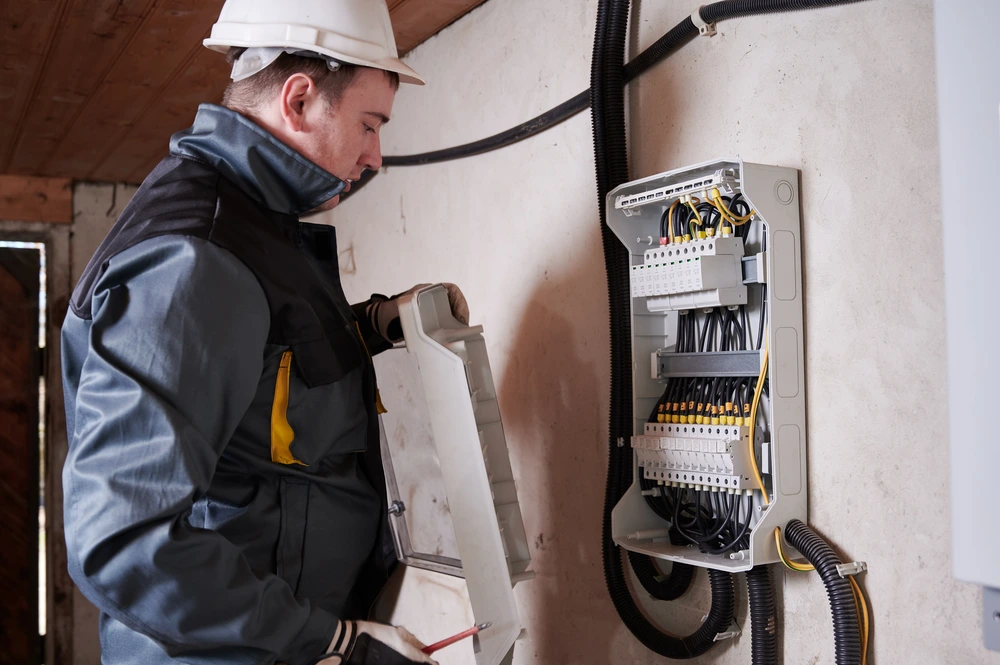
Electrical faults can appear without warning, turning everyday convenience into a potential safety risk. From flickering lights to sudden power trips, small electrical issues often signal bigger underlying problems. Having access to a trusted electrician Epping ensures your home or property stays safe, compliant, and protected from avoidable hazards. Whether it’s preventive maintenance or urgent repairs, understanding how electrical systems fail is the first step toward smarter, safer solutions.
In homes across Epping, electrical systems are under constant strain due to modern appliances, growing energy demands, and ageing wiring. Without proper care, minor faults can escalate into serious risks such as electrical fires, equipment damage, or dangerous electric shocks. That’s why awareness, timely inspections, and professional servicing play a vital role in maintaining a reliable and secure electrical setup.
This guide offers practical, expert-backed insights to help you prevent electrical faults, identify warning signs early, and take the right action when issues arise. With guidance from a qualified electrician Epping, you’ll learn how to protect your property, improve electrical safety, and ensure long-term peace of mind.
Signs of Electrical Faults in Your Home
Electrical faults often give subtle warnings. For example, you might feel a slight tingle or shock from an appliance or tap, which is a clear fault sign. Other clues include flickering or dimming lights and unusual sounds (like buzzing or popping) from fans or air conditioners. These warnings mean something is wrong with the wiring or appliance.
- Tingling or shocks: Even a tiny electric tingle is dangerous. Any appliance causing a tingle should be unplugged and not used until repaired.
- Flickering lights: Lights that unexpectedly dim, brighten, or blink can indicate overloaded circuits or loose connections.
- Unusual noises or smells: Buzzing from sockets, burning smells, or hot switch plates point to overheating or short circuits.
If you notice any of these, switch off the circuit at the main switchboard and call a qualified local electrician in Epping to investigate. Never ignore warning signs, because unattended faults can quickly lead to fires or electrocution.
Preventing Electrical Faults and Ensuring Safety
Keeping faults at bay starts with proper use and regular checks. Always follow the appliance manufacturer’s instructions, and don’t overload power points with too many plugs, as it can spark a fire. Extension leads should be fully unwound when in use to prevent overheating. Broken switches or power points must be replaced promptly and covered safely until a repairer can fit new ones.
Importantly, only a licensed professional should do electrical work in your home. Energy Safe Victoria emphasises that it’s illegal and potentially deadly for unqualified people to do wiring; homeowners must always hire licensed electricians. When renovation or installations are needed, a qualified electrician in Epping will provide a compliance certificate proving the work meets safety standards. Always ask to see the electrician’s licence or do an official licence check on the government website.
Another key safety measure is the installation and regular testing of safety switches (also known as residual current devices). Safety switches detect even small earth faults and cut power in milliseconds, protecting people from shock. (One switch for everything isn’t enough; each circuit needs its own for full protection.)
| Feature | Safety Switch (RCD) | Circuit Breaker |
| Protects | People from electric shock | Circuits and wiring from overload |
| Trips when | Any current leakage (e.g. fault in wiring or appliance) | Excess current flow or short circuit (prevents fires) |
| Action | Cuts power almost instantly (milliseconds) | Cuts power when the current exceeds safe limits |
Regular testing is crucial. If a switch fails to trip during this test, contact a licensed electrician immediately. You can set a quarterly reminder to keep this up. In summary, installing multiple safety switches and testing them regularly is one of the best ways to prevent electrical faults and save lives.
When to Hire a Licensed Electrician Epping for Safe Electrical Work
When it comes to electrical work, always trust a licensed electrician in Epping. Local electricians know regional rules and the typical wiring in Epping homes. A residential electrician can handle anything from installing new lights to upgrading your switchboard safely. Government regulations require that all electrical repairs and installations be done by an approved, licensed professional.
Why choose a local licensed electrician? They bring both expertise and convenience. You get someone who can respond quickly to issues, especially in emergencies. They’ll use quality parts and follow Australian standards.
Local electricians in Epping offer a range of home electrical services: installing new ceiling fans, rewiring rooms, fitting safety switches or smoke alarms, and upgrading circuits for modern appliances. They also handle outdoor electrical needs. By choosing an emergency electrician service, you get help 24/7 for sudden faults. But for non-urgent projects, you can book a residential electrician during business hours. In all cases, ask for a quote and ensure they will provide a compliance certificate after the work, as required by law.
Hiring a local professional saves you from costly mistakes. For example, wiring mistakes can damage appliances or void insurance. Instead of DIY fixes, having an expert means your home’s wiring is maintained correctly, old wiring is inspected, faulty bits are replaced, and everything is tested. A licensed electrician can do that inspection and suggest installing or upgrading safety switches to prevent future faults.
Electrical Repairs and Home Services in Epping
Even with precautions, small issues can pop up. Electrical repairs cover tasks like fixing outlets, replacing broken light fittings, or diagnosing a tripping circuit. If a circuit breaker or safety switch trips frequently, a professional will locate the overload or fault, maybe a short circuit in a wire or a bad appliance, and repair it. Never tape up a frayed cable or continue using it; that invites fire risk.
Electricians also handle electrical installation projects around the home. This includes adding new power points, installing LED downlights, running new circuits for kitchen appliances, or setting up smart home devices. When done properly, each new installation is safe and code-compliant. For instance, installing a dedicated circuit for a heavy load (like an electric vehicle charger or new air conditioner) is critical to avoid overloading a shared circuit.
Some common home electrical services are:
- Switchboard upgrades: Older fuse boxes or small switchboards can be replaced with modern safety-switch-ready boards. This improves fault protection and capacity.
- Safety switch installation: If your home doesn’t have RCD protection on every circuit, an electrician can add them. Official advice is to cover all circuits, lights, sockets, and appliances with safety switches.
- Smoke alarm wiring: Hard-wired smoke alarms or interconnected alarms (so all sound at once) should be installed by a pro for reliability.
- Outdoor power: Installation of weatherproof outdoor sockets or pool equipment wiring must meet strict standards.
These services not only fix current issues but also prevent future faults. Remember, doing electrical work without a licence is illegal in Australia. Always get a local professional for any repair or installation to ensure longevity and peace of mind.
Emergency Electrician Support for Urgent Electrical Repairs
Some electrical issues cannot wait. If you experience any of the following, treat it as an emergency and call an emergency electrician or dial 000 (in life-threatening situations):
- Sparks or smoke: If wiring or devices spark, emit smoke, or burn, turn off power immediately. These are signs of dangerous short-circuits or overloaded cables that could ignite a fire.
- Persistent tripping: A circuit breaker or safety switch that constantly trips indicates a serious fault. An electrician must inspect it urgently.
- Hot outlets or smell of burning: Feeling heat from a socket or smelling burning plastic/electricity is a red flag. This can prelude a fire and needs immediate professional attention.
- Electric shock: If anyone in the home receives an electric shock, switch off the power to that circuit and call for help. If the incident is severe, call an ambulance and report the shock to your energy provider for follow-up.
For any of these events, an emergency electrician in Epping will respond quickly. They can safely restore power and fix faults to protect your home. Sometimes this might mean temporarily isolating a faulty circuit or replacing a burnt component on the spot.
Conclusion
Electrical faults are more than just inconvenient; they can pose serious safety risks if ignored. This guide highlighted the most common causes of electrical issues, how to recognise early warning signs, and why timely action is essential to protect your home, appliances, and loved ones.
By following preventive measures, using safety devices, and relying on licensed professionals for electrical repairs and installations, you can significantly reduce the risk of hazards. Regular inspections, responsible power usage, and knowing when to call an emergency electrician all play a key role in maintaining a safe and reliable electrical system.
If you need expert help with residential and commercial electrical services, including electrical repairs, installations, safety switch upgrades, switchboard upgrades, lighting, rewiring, and emergency electrical support, professional assistance is just a call away. Contact us today to book a trusted electrician and ensure your property remains safe, efficient, and fully compliant.
FAQs:
-
How can I tell if I have an electrical fault at home?
Look for warning signs like tingling or shocks from outlets, flickering/dimming lights, buzzing sounds from appliances, or burning smells. Shocks from taps or appliances and unexplained light variations are classic fault indicators. If you notice any of these, turn off the affected circuit and call an electrician. Treat every tingle or strange behaviour as a warning.
-
What should I do in an electrical emergency?
For serious issues (sparks, smoke, repeated breaker trips, shocks), cut power immediately and call for help. Dial 000 if anyone is injured or if there’s a fire risk. Otherwise, contact an emergency electrician right away. Do not attempt complex fixes yourself; safety is the priority.
-
How often should I test safety switches or get an electrical check-up?
Safety switches (RCDs) should be tested at least every three months by pressing their “TEST” button. If a switch fails this self-test, call a licensed electrician immediately. It’s also wise to have your home’s wiring inspected by a professional periodically.
