
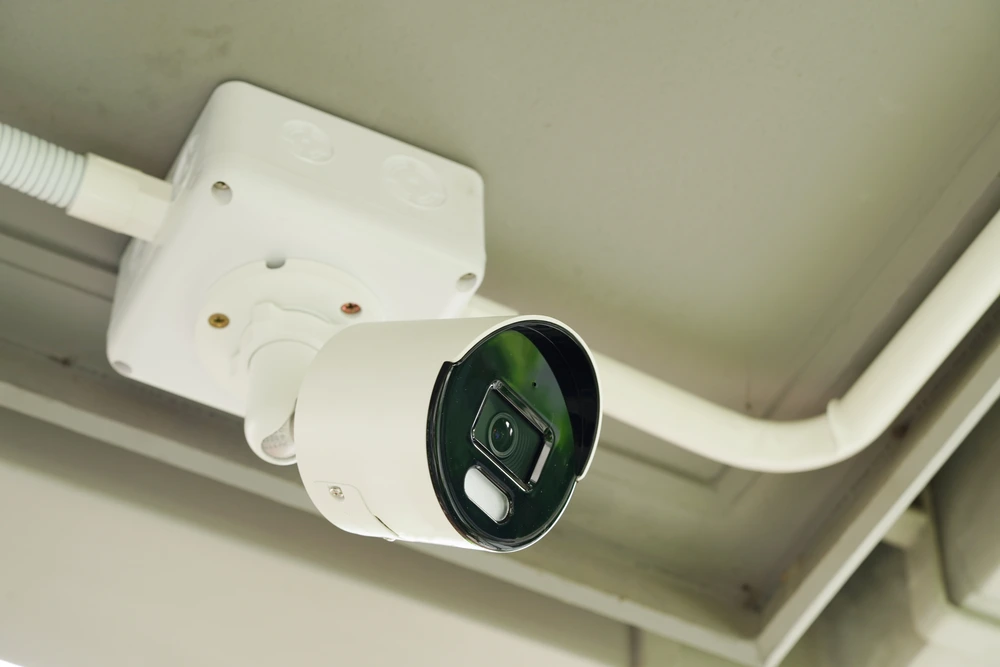
CCTV installation has become an essential consideration for both homeowners and businesses seeking to enhance security and monitor their properties effectively. With the increasing need to protect assets, deter intruders, and maintain a safe environment, installing a reliable surveillance system is more relevant than ever. However, the process is not just about positioning cameras and recording footage—it also involves understanding the legal obligations that govern the collection and handling of personal information.
In Victoria, privacy laws play a critical role in guiding how CCTV systems should be installed and used. The Surveillance Devices Act 1999 and Privacy and Data Protection Act 2014 outline strict rules regarding what can be recorded, where cameras can be positioned, and how footage should be stored and shared. Compliance with these laws ensures that your CCTV system operates ethically and legally, safeguarding both your property and the privacy rights of others.
For those seeking professional CCTV installation in Melbourne, it is crucial to follow these regulations carefully. By understanding and implementing these legal requirements, you can set up an effective surveillance system that protects your home or business while remaining fully compliant with Victorian privacy laws.
Victorian Privacy Laws and CCTV
Victorian laws take personal privacy seriously, even when it comes to video surveillance. Any CCTV that records people will collect personal information, so rules kick in. For example, the Privacy and Data Protection Act 2014 (Vic) requires that any personal data (like recorded images of people) be collected and handled properly. This law mainly applies to government agencies and councils, but it sets a good standard: treat CCTV footage as sensitive information.
Another key law is the Surveillance Devices Act 1999 (Vic). It makes it an offence to use an optical surveillance device (like a hidden camera) to record people in a “private activity” without their consent. In plain English, you cannot secretly film someone where they have a reasonable expectation of privacy. This means pointing a camera at your neighbour’s bathroom window or filming someone changing clothes could break the law.
In summary, the law boils down to a few do’s and don’ts for CCTV installation:
- Do focus cameras on your own property. Cover entryways, yards, or driveways that you own, but avoid filming beyond your fence line.
- Do use CCTV for a legitimate purpose and only collect what’s necessary. Don’t point cameras at people’s faces or windows unnecessarily.
- Do secure and manage the footage properly: lock up recordings and delete them when they’re no longer needed.
- Do notify people with signs if they might be on camera. Best practice is to put up a visible CCTV warning sign if you’re recording areas that people enter.
- Don’t capture private activities. Filming inside someone else’s home or another’s backyard without permission is illegal.
- Don’t share the footage publicly or post it online in a way that could identify individuals without a valid reason.
Following these basic principles will keep you on the right side of the law. In practice, Melbourne’s laws aren’t out to punish homeowners or businesses using security cameras; they just want everyone’s privacy respected. The Victorian Police and Information Commissioner encourage a privacy-enhancing approach to CCTV. That means being open about your cameras and only recording what you truly need for security.
CCTV Installation Tips for Melbourne Homes and Businesses
Now that you understand the legal framework, let’s talk about practical CCTV installation tips. Whether you’re setting up a DIY home CCTV system or hiring professionals for business security, these tips will help you cover your bases, literally. Here are some key pointers to ensure your CCTV camera installation is both effective and privacy-compliant:
Placement and Coverage: Cover all main access points (front door, back door, driveway) with your security cameras. However, position the cameras so they only monitor your property. If your camera angle risks catching a neighbour’s window or garden, adjust it or get a narrow-field camera.
Visibility: Make cameras visible and obvious. Visible cameras actually deter crime because intruders see them. Also, use clear signage if cameras cover areas where visitors might walk. Victorian guidelines recommend putting up warning signs so people know they’re on camera. It’s about transparency and respecting privacy.
Secure Mounting: Bolt or screw your cameras and any video-doorbells firmly to the wall. Thieves sometimes try to remove or spray-paint cameras. Securing the camera housing and also hiding or securing any recorders (DVR/NVR). A hidden, locked box for your storage device is smart. Don’t forget to shield cables if they are exposed.
Proper Lighting: Ensure good visibility by providing adequate light. Low-light performance is crucial for nighttime recording. Consider pairing your CCTV with sensor lights so cameras see clearly in the dark. Many systems now include infrared (night vision) or LED spotlights built in. Test your camera image in both day and night conditions to make sure faces and details are clear.
Image Quality: High-definition cameras capture useful detail. Melbourne installers often use at least 1080p HD resolution. Also, angles and zoom matter; you should be able to identify faces from the recorded footage. Keep an eye on the footage quality; a blurry camera could mean a waste of time.
Network Security: If you have smart or wireless cameras, protect them digitally. Change default passwords on your network and devices. Ensure your Wi-Fi is secure (WPA2 or better). The police advise knowing your network’s security settings and regularly updating firmware. Unsecured cameras can be hacked or could accidentally stream footage to the public internet, which would seriously breach privacy.
Storage and Backup: Make sure you have enough storage (hard drive space or cloud subscription) so your footage doesn’t overwrite too soon. Store backups off-site or in the cloud as an extra precaution. Limit who can access the recorded video, treat it like any sensitive data. For example, keep clips only until you’re sure no incident is pending, then regularly clear old files.
By following these tips, some of which come straight from Victoria Police guidance, you’ll have a robust surveillance system that respects privacy. In short: Cover the essentials, secure the system, and keep data safe.
Wired vs Wireless CCTV: A Quick Comparison
When planning your CCTV surveillance system, you may wonder whether to go for wired or wireless cameras. Each has pros and cons, so let’s break it down:
| Feature | Wired CCTV | Wireless CCTV |
| Installation | Requires running cables to cameras, which can be labour-intensive. Often needs professional installation for cabling. | Easier DIY install: cameras connect via Wi-Fi. No messy cabling between cameras. |
| Reliability | Very stable connection; no interference from Wi-Fi networks. Works even if the internet is down. | Can suffer from signal dropouts or Wi-Fi congestion. Better for smaller properties or fewer cameras. |
| Image Quality | Can handle high-definition video (HD, 4K) reliably because of a direct connection. | Many wireless cameras support HD, too, but a heavy load on Wi-Fi can affect quality. |
| Power Source | Cameras often get power via cable (PoE, power over Ethernet, or separate power wiring). | Cameras need power too (battery packs or a power adapter). Battery models need recharging, wired AC models still need an outlet. |
| Cost Factors | Higher upfront cost for cables and installation work. Hardware cost comparable to wireless if quality is similar. | Usually slightly cheaper to set up, but may need subscriptions for cloud storage. Battery cameras can incur maintenance. |
| Signal Security | Data is transmitted over wires, less risk of interception. | Uses Wi-Fi (encrypt your network!). Good wireless systems encrypt video, but always check the security features. |
| Flexibility | Less flexible to move once installed (though PoE cameras can be relocated with some effort). | Highly flexible – move cameras easily wherever you have Wi-Fi coverage. |
| Coverage & Range | Unlimited range by adding cables. | Limited by Wi-Fi range; may require Wi-Fi boosters for larger properties. |
Storage, 24/7 Monitoring, and System Upgrades
Once your cameras are up and running, consider how the system will operate day-to-day. Many modern CCTV systems offer 24/7 monitoring, meaning they record continuously or motion-triggered, and even send alerts to your phone if something happens. This can greatly improve security (and is one of the advantages of wireless/IP systems with cloud services). Just remember: continuous monitoring means a lot of data is collected, so you must handle it responsibly. Store CCTV footage on a secure device or reputable cloud service, and encrypt or password-protect access.
A key compliance tip is to limit data retention. The Victorian CCTV guidelines say you should delete information once it’s no longer required. For most homes or small businesses, “no longer required” might mean a few weeks or a month after recording, just long enough to spot any issues.
If you want, you can also register your CCTV system with Victoria Police (this is voluntary, not legally required). By adding your system to the Police’s Community CCTV database, officers can (with proper protocols) request your footage if there’s a crime nearby. It’s a community safety measure; you’re helping the neighbourhood by being on the registry. There’s no harm in registering; just know that it doesn’t exempt you from privacy rules.
CCTV Installation Cost: Factors to Consider
Wondering about CCTV installation cost? The price can vary widely based on your needs. A simple doorbell camera might cost a few hundred dollars, while a full multi-camera security system could run into the thousands. Here are the main factors that affect cost:
Number of Cameras: More cameras cover more area, but cost more. Think about exactly which entry points or angles you need before buying.
Camera Quality: Higher-resolution, night-vision, weatherproof, and wide-angle cameras cost more. Brands and features (like pan/tilt/zoom or analytics) also add to the price.
Wired vs Wireless: Wired systems often cost more in labor (running cables and drilling). Wireless cameras might be cheaper to install, but they could have subscription fees for cloud storage.
Installation Labor: Hiring a professional installer (recommended for large systems or businesses) adds to the cost. DIY systems can save on labor, but do it only if you’re confident.
Additional Equipment: Remember the cost of monitors, DVR/NVR (recording box), hard drives, cables, or network gear. Also factor in backup batteries or generators if power outages are a concern.
Rather than thinking of CCTV as an unnecessary expense, consider it an investment in safety. When budgeting, also weigh the potential cost of a burglary or vandalism. Often, the deterrent effect of visible cameras alone is worth it. Get a few quotes, compare features, and ensure that any installer is licensed. This not only ensures quality work but also that they follow the rules.
Conclusion
Installing a CCTV system is an effective way to enhance security for your home or business, but it comes with important responsibilities. Throughout this guide, we’ve highlighted the key aspects of Victorian privacy laws, including proper camera placement, signage requirements, and secure management of recorded footage. Understanding these rules ensures your CCTV installation remains fully compliant while protecting the privacy of those around you.
We’ve also explored practical tips for a successful CCTV camera installation, from choosing between wired and wireless systems to ensuring adequate coverage and secure data storage. By following these guidelines, you can establish a reliable surveillance system that not only safeguards your property but also operates within the law and in an ethical manner. Whether you need 24/7 CCTV monitoring, system upgrades, or professional advice, proper planning and execution are essential for peace of mind.
At Eleco Electrical & Data, we specialise in professional CCTV installation Melbourne services tailored to your home or business. Our team ensures seamless setup, expert guidance, and compliance with Victorian privacy regulations. Contact us today to discuss your security needs and secure your property with confidence.
FAQs:
-
Do I need to register my home CCTV system with the police?
No, there is no legal requirement to register private CCTV in Victoria. However, Victoria Police offers a voluntary CCTV registry for community safety. You can register your cameras (e.g., driveways, street view) so police can contact you if footage might help an investigation. It’s entirely optional and meant to aid crime solving; you still must follow all privacy laws regardless.
-
Can my CCTV cameras record audio or private conversations?
Generally, you should not record audio with your CCTV. The Surveillance Devices Act makes it an offence to covertly record a private conversation without consent. In practice, this means your cameras should focus on video only, unless you have explicit permission. Secretly capturing audio in private areas can land you in legal trouble. Stick to video surveillance and respect people’s privacy.
-
Where should I NOT point my CCTV cameras?
Avoid pointing cameras at places where people expect privacy. Do not aim cameras into bedrooms, bathrooms, change rooms, or any neighbour’s private space. Also, don’t film beyond your property line. If in doubt, tilt your camera slightly or add a privacy mask. It’s better to miss a bit of the street than capture a neighbour’s family having dinner.
